We work on a wide variety of public outreach sites, curriculum packages, data-driven websites, and sites documenting research findings. Recent topics include math and science education, food safety, early childhood education, natural resources conservation, horticulture, nutrition and obesity prevention.
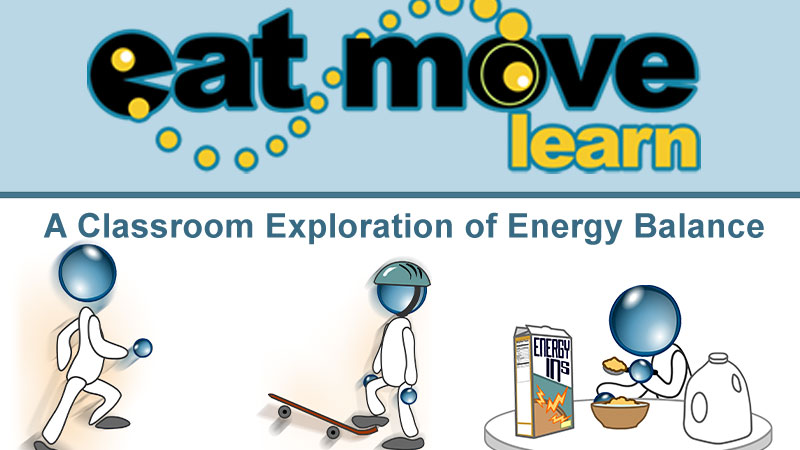
Organized around the idea that we must "balance" the energy we take in through food and the energy we spend in physical activity, Eat Move Learn enabled teachers to address national academic standards for sixth-grade science in a way that comes alive in the classroom. Eat, Move, Learn helped teachers and students analyze the problems of food and fitness, find solutions to energy imbalance, and design a study to test their ideas.
This program was designed to enhance awareness of elk, how they move about the landscape, and how knowledge of elk biology can help us better understand how elk relate to human interests on the land.
Just for Kids was a collection of online 4-H websites and activities.
Information about how to protect homes and families from wildfires.
This initiative by the Smithsonian Institute taught diversity and history by examining the evolution of agriculture and food. With educational activities and projects, students learned about history, cultures, and applications to incorporate.
Invasive Weeds of the Southwest combined multi-disciplinary research and community outreach to evaluate and promote low-cost, community-based approaches to management of invasive plants.
A statewide project to improve New Mexico Extension's capacity to work with at-risk families and enhance community projects, CYFAR aimed at strengthening educational opportunities for childcare providers and increasing parent education services.
Now hosted at the University of Minnesota, CYFERnet's Web site brought together children, youth, and family resources for public land-grant universities. Materials were carefully reviewed by college and university faculty.
A collaboration between the Smithsonian Institute, NMSU's College of Education and teachers across the nation, the Digital Desert Library was an online resource guide for deserts. Whether looking for activities for students or trying to find information using comprehensive databases, it was a rich resource for teachers.
Teleliteracy Assistance for Businesses and Communities (T-ABCs) for Rural Americans introduced the Internet to rural and minority communities, giving them access to knowledge, enhanced lifestyles, business practices, and prosperity.
SPS Online was a system was developed by the United States Department of Agriculture, Foreign Agricultural Service as a resource for learning about Sanitary and Phytosanitary Measures, the SPS Agreement, and Risk Assessment with SPS.