These products were designed for college learners. They may also be suitable for specialized or advanced high school courses.
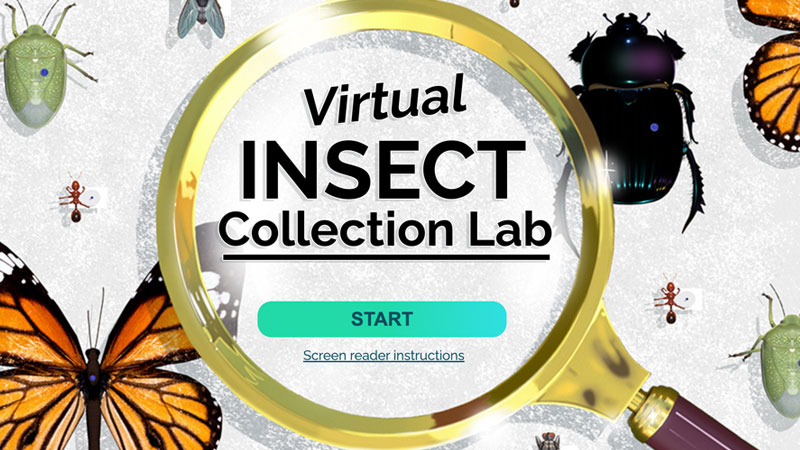
This interactive module helps learners practice pinning, pointing, and spreading insects properly, to preserve them for scientific study. Collections are important to science, and each insect gives a snapshot of its population at the time it was collected.
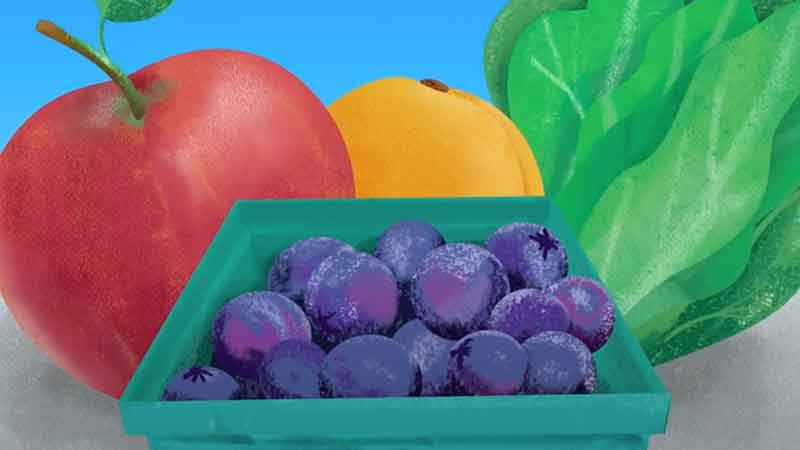
Learn the science behind food safety to foster a safe culture among agricultural producers and processors, especially those selling directly to consumers. In collaboration with Maine Cooperative Extension, its focus is on foods from Maine, such as wild blueberries and seaweed.
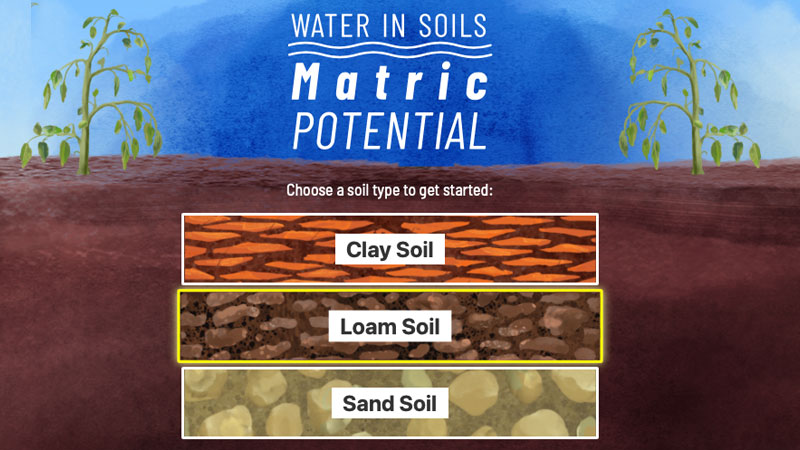
Different soils affect how water moves through them and how plants take water from them. Two graphs explore matrix potential, flow, and pressure of water in soils.
Contaminants can infiltrate natural soils in complex ways. Learn how scientists use complex and detailed sampling system to test water and soil.
Learn how to test for E. coli, an indicator species for fecal contamination. Water for irrigation is commonly tested for E. coli and other pathogens.
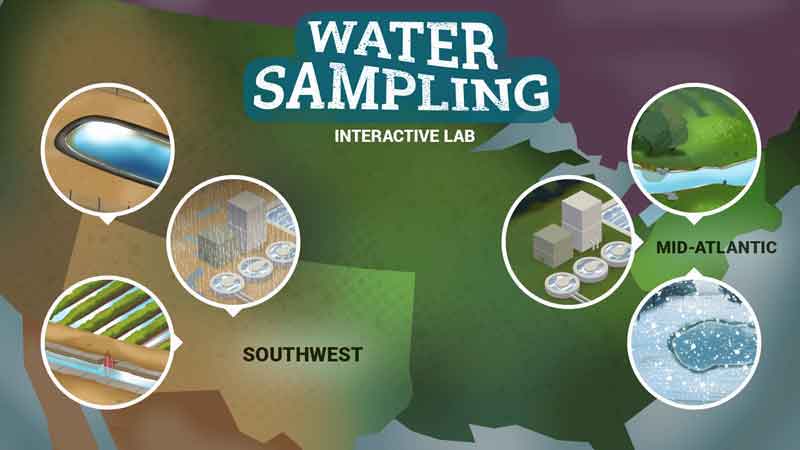
Water for irrigation comes from ponds, rivers, and canals, or water treatment plants. Farmers and scientists test samples from these sources to ensure they are safe.
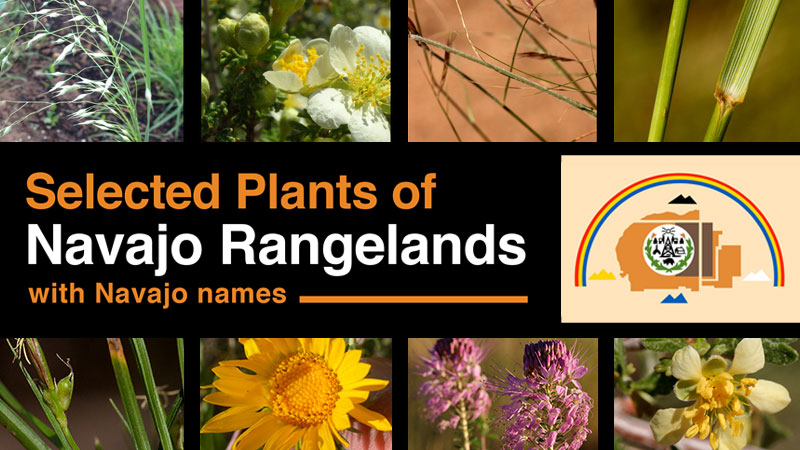
This web database helps agricultural professionals, ranchers, and others in the Navajo Nation identify typical plants to maximize ecology, productivity, and sustainability.
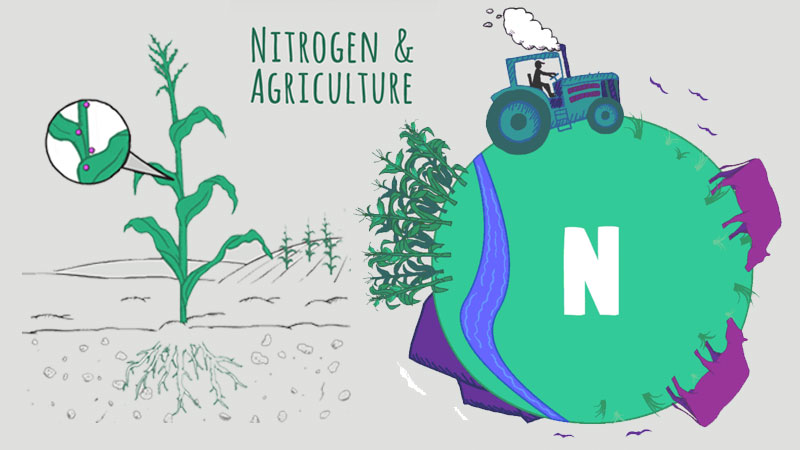
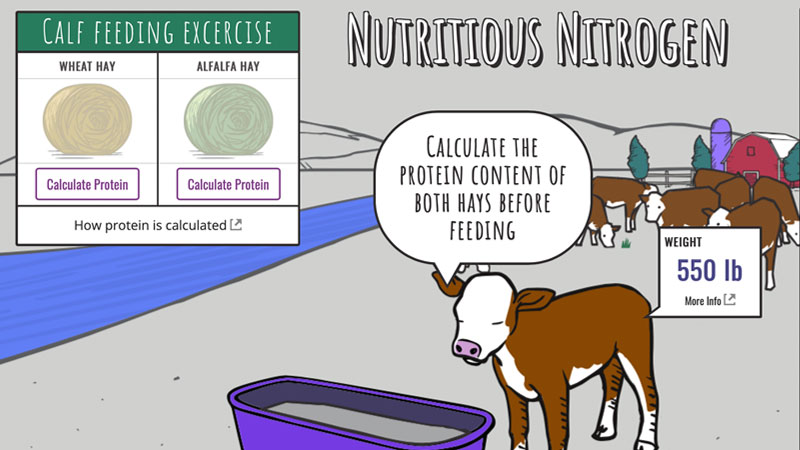
This interactive educational tool explores the importance of nitrogen for plant, animal and soil health. Build amino acid and fertilizer molecules and calculate molecular weight in relation to nitrogen content.
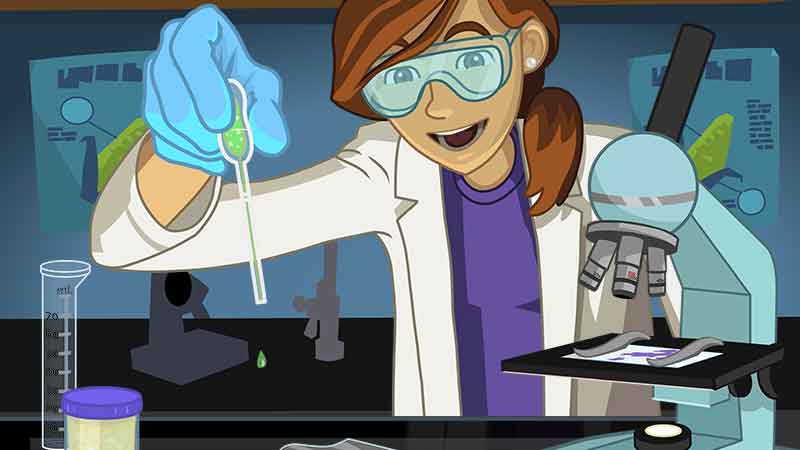
Interactive modules train high school and college students in laboratory skills and concepts relevant to food science, including using a microscope, testing for aflatoxin, culturing bacteria, measuring pH, and using disposable lab equipment.
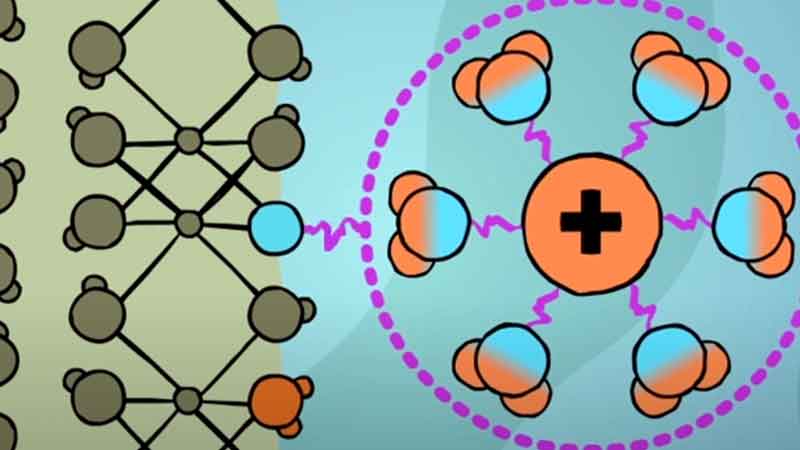
What happens when atoms, ions, or molecules attach to the surface of a substance without entering it? This video discusses how adsorption occurs at the chemical level and the difference between adsorption and absorption.
You are tasked with gathering knowledge and ensuring food gets assembled with food safety in mind, from factory to potluck.
This series guides how to sample soil for analysis and includes visualizations on soil properties and water infiltration.
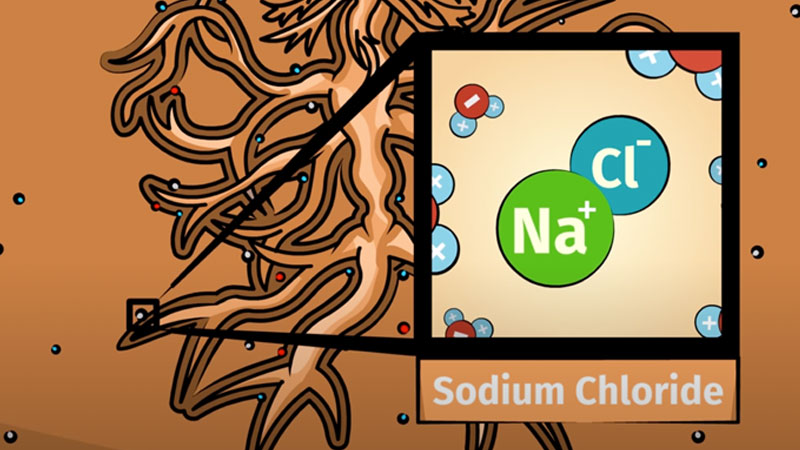
Plants and animals need nitrogen. Learn how to add the right amount of nitrogen to support production without polluting the environment.
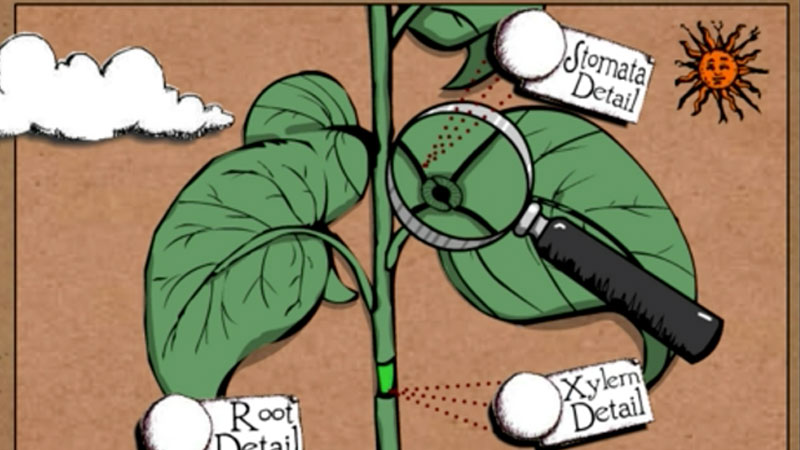
Explore how water moves through plants via transpiration. This water loss allows for photosynthesis and overall well-being.